Coffee is more than a morning beverage. For many people, it is part of a daily ritual, a moment of relaxation, or a way to discover the character of a particular place. In Bali, coffee has become closely connected with local culture, landscapes, hospitality, and modern lifestyle. One of the most interesting ways to experience this connection is through Fresh Coffee Beans Bali, where aroma, flavor, and origin come together in every cup.
From the volcanic highlands to contemporary coffee shops, Bali offers an environment where coffee can be enjoyed in many different ways. Understanding the journey behind the beans can make an ordinary coffee break feel much more meaningful.
Why Freshness Matters in Coffee
Freshness plays an important role in how coffee tastes and smells. After roasting, coffee beans gradually release carbon dioxide and begin to interact with oxygen. Over time, exposure to air can affect the aromatic compounds responsible for the fragrance and flavor experienced during brewing.
This is why choosing Fresh Coffee Beans Bali can make a noticeable difference, particularly for people who appreciate coffee as a sensory experience. Freshly roasted beans can retain more of the characteristics developed during the roasting process, allowing subtle notes to become more apparent.
The difference can be especially noticeable when comparing freshly roasted coffee with beans that have been stored for an extended period. Fresh beans may produce a more expressive aroma, balanced flavor, and cleaner finish when brewed correctly.
For lifestyle-oriented coffee drinkers, freshness also adds another dimension to the ritual. Grinding beans immediately before brewing, for example, can transform the preparation process into a relaxing daily routine rather than simply another step before drinking coffee.
Discovering the Character of Coffee Beans Bali
The phrase Coffee Beans Bali represents more than a geographical reference. Bali’s coffee-growing regions have their own environmental characteristics, farming traditions, and processing methods that can influence the final cup.
Many coffee-growing areas in Bali are located in highland environments where elevation, volcanic soil, rainfall, and temperature contribute to suitable conditions for coffee cultivation. These factors can influence the development of flavor compounds within the coffee cherries.
Depending on the origin and processing method, coffee may display different sensory characteristics. Some beans can offer bright acidity and citrus-like notes, while others may be more rounded, sweet, earthy, or chocolatey.
This diversity makes exploring Coffee Beans Bali particularly interesting. Rather than searching for one universal flavor profile, coffee enthusiasts can approach Bali’s coffee as a journey through different expressions of the island.
For visitors, tasting locally sourced coffee can also become part of experiencing Bali itself. A cup served in a small café, a roastery, or a scenic destination can connect the beverage with the atmosphere surrounding it.
From Coffee Cherry to Roasted Bean
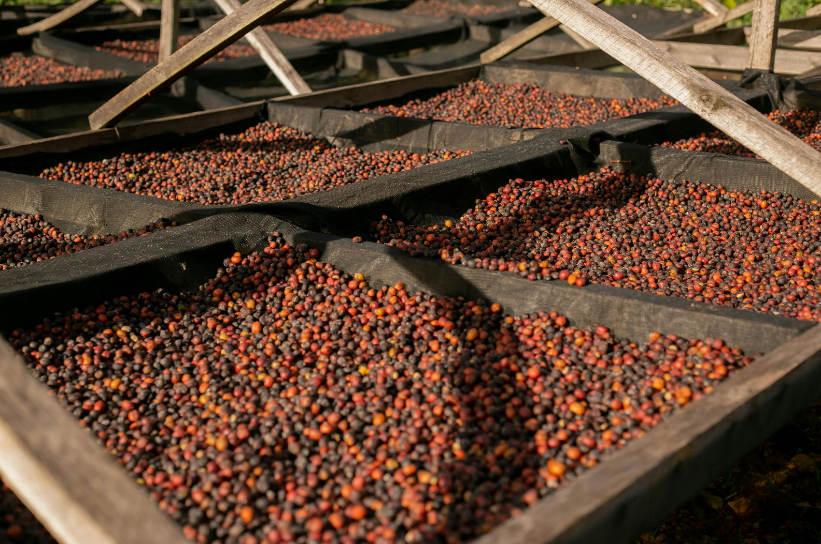
The journey behind Fresh Coffee Beans Bali begins long before the brewing stage. Coffee starts as a fruit, commonly called a coffee cherry, which grows on coffee plants cultivated by farmers.
Once the cherries reach the appropriate level of ripeness, they are harvested and processed. Processing methods can vary, with natural, washed, and other approaches influencing the characteristics that eventually appear in the cup.
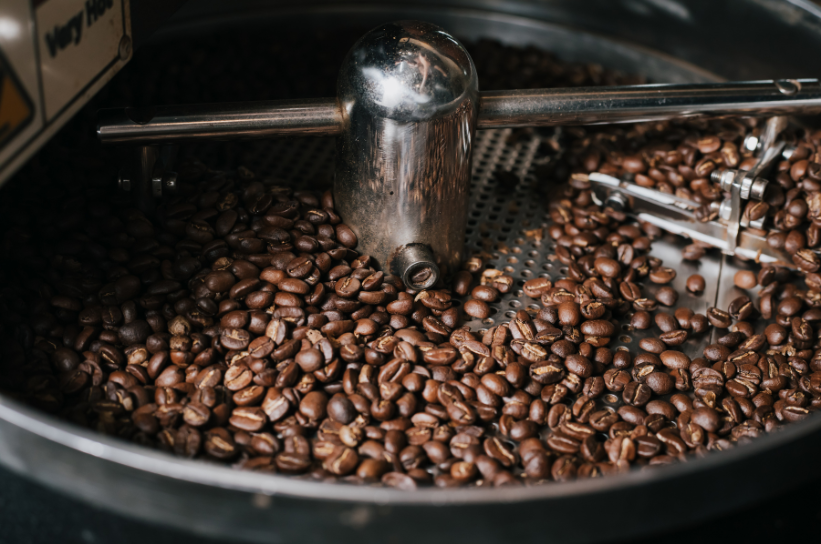
After processing and drying, the coffee remains in its green-bean form until it is ready for roasting. Roasting then becomes a critical stage because heat transforms the physical and chemical properties of the beans.
Roasters carefully control variables such as temperature, time, and development to create a desired flavor profile. A lighter roast may emphasize certain origin characteristics and acidity, while a darker roast can create deeper roasted flavors and a fuller body.
This transformation explains why the same origin can produce very different experiences depending on how the beans are roasted.
For coffee lovers, learning about this process adds context to every cup. The flavor is not simply a characteristic of the bean itself; it is the result of agriculture, processing, roasting, storage, grinding, and brewing.
How Aroma Shapes the Coffee Experience
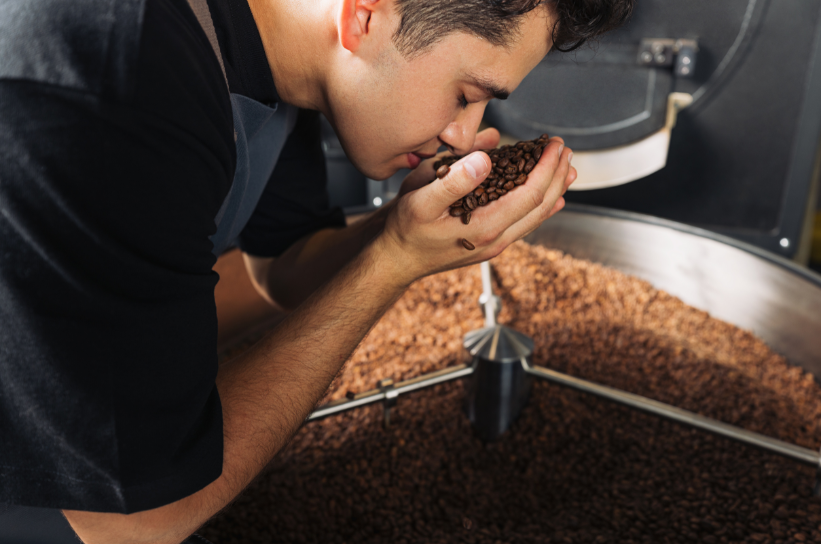
Aroma is one of the most important parts of the coffee experience, yet it is sometimes overlooked. Before taking the first sip, the fragrance released from freshly ground or brewed coffee can already provide clues about what to expect.
Freshly roasted Fresh Coffee Beans Bali can offer a rich aromatic experience when properly stored and prepared. Depending on the beans and roast profile, aromas may suggest fruit, flowers, spices, chocolate, caramel, nuts, or other sensory impressions.
The sense of smell also influences how people perceive flavor. This is why two coffees with similar basic taste characteristics can still feel completely different when their aromas vary.
For a relaxed lifestyle experience, aroma can become part of the ritual itself. Opening a bag of freshly roasted beans, grinding them, and allowing the fragrance to fill the room creates a sensory transition between a busy schedule and a slower moment.
This is one reason coffee has become deeply integrated into modern lifestyle culture. It is not only about caffeine or functionality. Coffee can represent time, place, atmosphere, and personal preference.
Choosing Fresh Coffee for Everyday Brewing
Selecting Fresh Coffee Beans Bali for home brewing does not necessarily require complicated equipment. The most important consideration is understanding what type of coffee experience you prefer.
For example, people who enjoy bright and aromatic cups may prefer beans with lighter roast profiles. Those who enjoy a richer and heavier cup may prefer medium or darker roasting styles.
The brewing method can also influence the result. Pour-over brewing can highlight aroma and delicate flavor details, while espresso can create a concentrated experience with greater body. French press brewing tends to produce a fuller texture and can be suitable for those who prefer a more robust cup.
Regardless of the brewing method, storing coffee properly is important. Beans should ideally be kept in an airtight container and protected from excessive heat, moisture, light, and oxygen.
Buying coffee in quantities that can reasonably be consumed while the beans are still fresh can also help maintain quality. This makes freshness not simply a purchasing consideration but part of a complete coffee routine.
Royal Hindia and the Modern Bali Coffee Experience
The growing interest in specialty coffee has created new opportunities for people to explore the relationship between Bali, roasting, and coffee culture. Modern roasteries are helping introduce consumers to different origins, roasting approaches, and brewing styles.
Royal Hindia is part of this evolving coffee landscape, offering an approach that connects Bali’s coffee identity with contemporary appreciation for quality and craftsmanship.
For coffee enthusiasts, exploring a roastery can be a different experience from simply purchasing a bag of beans. It provides an opportunity to understand how roasting affects flavor and how different beans can be prepared to reveal their individual characteristics.
This perspective encourages coffee drinkers to become more curious. Instead of asking only whether a coffee tastes good, they can begin asking what creates its aroma, where the beans originate, how they were processed, and why a particular roasting profile was selected.
That curiosity can turn everyday coffee consumption into a more rewarding experience.
Making Coffee Part of the Bali Lifestyle
Coffee naturally fits into the relaxed lifestyle associated with Bali. A morning cup can accompany a quiet start to the day, while an afternoon brew can become a pause between activities.
For travelers, discovering local coffee can also create memorable experiences beyond traditional tourist attractions. Visiting a café, exploring a roastery, or enjoying locally sourced beans allows visitors to engage with another side of Bali’s culture.
At home, the same experience can be recreated through carefully selected Fresh Coffee Beans Bali. A good cup does not necessarily require an elaborate setup. Fresh beans, an appropriate grind size, clean water, and a suitable brewing method can already create an enjoyable ritual.
Over time, coffee preferences can become more personal. Some people may gravitate toward fruity and floral profiles, while others prefer nutty, caramelized, or chocolate-like flavors. Exploring different Coffee Beans Bali can therefore become a process of discovering individual taste preferences.
Conclusion
Coffee has a unique ability to connect flavor, aroma, culture, and lifestyle. In Bali, this experience becomes even more distinctive because coffee is closely connected with the island’s agricultural landscape and growing specialty coffee scene.
Exploring Fresh Coffee Beans Bali offers an opportunity to appreciate coffee beyond its role as a daily beverage. From cultivation and processing to roasting and brewing, every stage contributes to what eventually appears in the cup.
Whether enjoyed in a Bali café, discovered at a local roastery, or brewed at home, fresh coffee can turn a simple routine into a meaningful sensory experience. With curiosity and attention to freshness, Coffee Beans Bali can become more than something to drink—it can become a way to explore flavor, aroma, and the character of Bali itself.