Bali Coffee Roasting – Coffee is more than a daily beverage in Bali. It is part of the island’s agricultural heritage, a reflection of its diverse landscapes, and an important element of its growing specialty coffee culture. From the volcanic highlands to the cafés of Canggu and Ubud, coffee connects local farming traditions with modern brewing techniques.
At the heart of this experience is Bali Coffee Roasting, a process that transforms carefully harvested green coffee beans into the aromatic, flavorful coffee enjoyed by people around the world. Understanding how roasting works reveals why different beans produce different flavors and how skilled roasters bring out the best characteristics of each origin.
For coffee enthusiasts, learning about this process also provides a deeper appreciation of the craftsmanship behind every cup.
1. The Origins of Bali Coffee and Its Unique Characteristics
Bali has a long history of coffee cultivation, with many farms located in mountainous regions where volcanic soil, tropical temperatures, and varying elevations create favorable growing conditions.
One of the island’s best-known coffee-producing areas is Kintamani, located in the northeastern highlands. Coffee grown in this region is often associated with Arabica varieties, although cultivation practices and flavor characteristics can differ between farms.
The local environment plays an important role in shaping the coffee beans. Elevation influences the speed at which coffee cherries mature, while soil composition, rainfall, and farming methods contribute to the development of flavor.
Many coffees from Bali are recognized for their balanced profiles, which may include citrus, floral, chocolate, caramel, or subtle spice notes. However, these characteristics are not universal. The variety of coffee, processing method, harvest conditions, and roasting profile all influence the final result.
This diversity makes Bali Coffee Roasting particularly interesting. Rather than applying the same roasting approach to every batch, experienced roasters consider the origin and characteristics of each coffee before deciding how to develop its flavor.
Understanding the beans is the first step toward producing a consistently enjoyable cup.
2. What Happens During the Coffee Roasting Process?
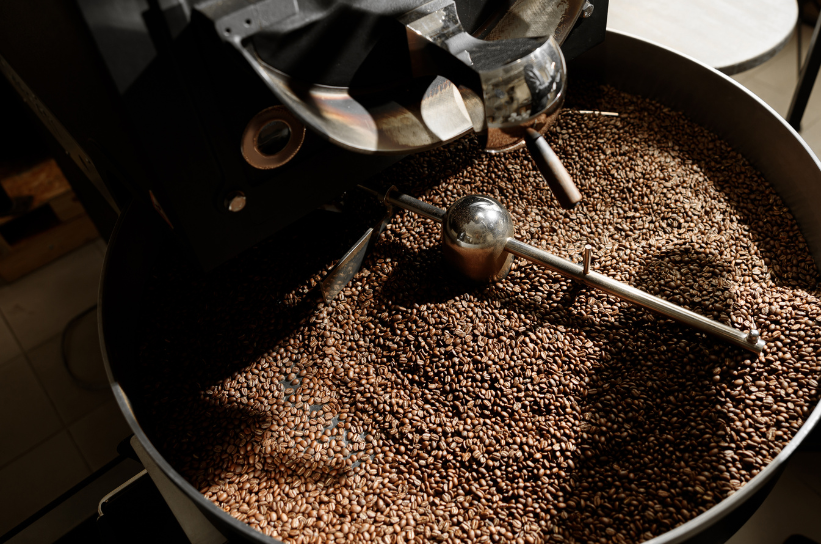
Coffee roasting is the controlled application of heat to green coffee beans. During this process, the beans undergo physical and chemical changes that develop their aroma, color, texture, and flavor.
Green coffee beans generally have a dense structure, a grassy smell, and relatively little of the familiar aroma associated with roasted coffee. Roasting gradually transforms these qualities.
Drying and the Early Roasting Stage
At the beginning of roasting, green beans absorb heat and release moisture. Their color gradually changes from green to pale yellow, and their aroma begins to shift toward toasted grain or hay.
This stage is important because the beans need to lose moisture in a controlled manner before more significant flavor development takes place.
If the early stage is poorly managed, the roast may develop unevenly, affecting the final flavor.
The Maillard Reaction and Flavor Development
As the temperature increases, chemical reactions between amino acids and reducing sugars contribute to the formation of complex flavor and aroma compounds.
This is part of the Maillard reaction, which also plays a role in the browning of bread and other cooked foods.
During this stage, coffee begins to develop characteristics such as sweetness, toasted notes, and a richer aroma. The balance between acidity, sweetness, and body becomes increasingly important.
First Crack and the Development Phase
During roasting, coffee beans expand and release pressure, producing an audible sound known as first crack.
This marks an important transition in the roasting process. After first crack, the roaster carefully manages additional heat and time to achieve the desired flavor profile.
A shorter development period may preserve more acidity and origin character, while additional development can create deeper sweetness and roasted notes. The result depends on the entire roasting profile rather than time alone.
Bali Coffee Roasting requires careful observation throughout these stages because even small adjustments can influence the final cup.
Cooling and Resting
Once the desired roast level has been reached, the beans must be cooled quickly to prevent excessive residual heat from continuing the roasting process.
After cooling, roasted coffee is typically allowed to rest before brewing. During this period, carbon dioxide gradually escapes from the beans.
The appropriate resting time depends on the roast level, coffee origin, and brewing method. Proper storage is equally important for maintaining freshness and protecting the coffee from oxygen, moisture, heat, and light.
3. Choosing the Right Roast Level for Bali Coffee
Roast level is one of the most noticeable factors influencing the taste of coffee. Although roasting styles are often categorized as light, medium, or dark, the ideal level depends on the characteristics of the beans and the intended brewing method.
Light Roast
Lightly roasted beans often preserve more of their original characteristics. They can highlight floral aromas, citrus notes, and delicate acidity. This style is particularly appealing to people who enjoy exploring the distinctive qualities of different coffee origins.
Medium Roast
Medium roasting aims to balance sweetness, acidity, body, and roasted flavor. It can complement the natural characteristics of Bali coffee while producing a rounded profile suitable for several brewing methods.
Dark Roast
Darker roasting produces more pronounced roasted, bittersweet, and sometimes smoky characteristics. The original flavors of the beans may become less prominent as roast-derived flavors increase. This style can appeal to drinkers who prefer a bold and intense cup.
There is no universally superior roast level. A skilled roaster evaluates the coffee, experiments with different profiles, and selects an approach that produces the most satisfying result.
For Bali Coffee Roasting, the objective is not simply to make beans darker or lighter. It is to create a deliberate balance that respects the coffee’s origin while delivering a consistent drinking experience.
4. How Roasting Equipment and Technique Influence Quality
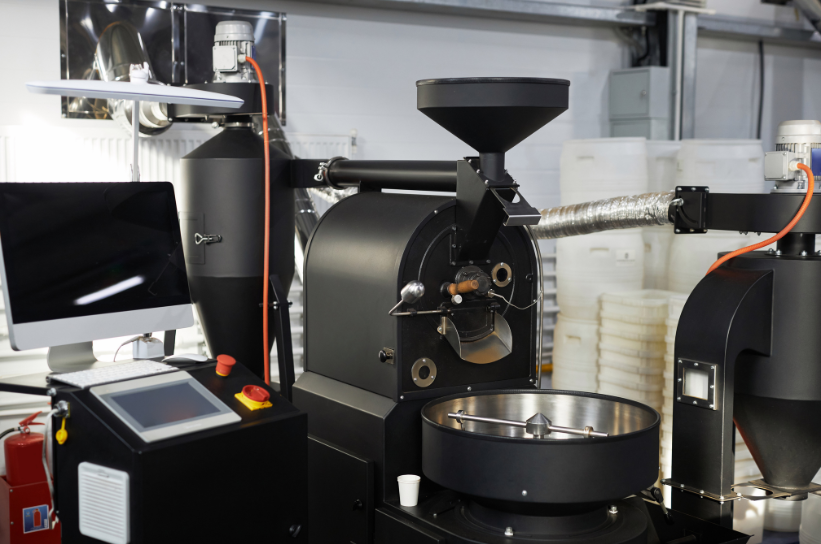
Modern coffee roasting combines technical equipment with sensory judgment. Commercial roasters commonly use either drum roasting systems or hot-air systems, each offering different approaches to heat transfer.
Drum roasters use a rotating chamber to move the beans while heat is applied. Depending on the machine, heat can reach the beans through conduction, convection, and radiation.
Hot-air roasters rely more heavily on heated airflow to move and roast the beans. Both approaches can produce excellent coffee when properly controlled.
Regardless of the equipment, several variables deserve close attention:
- Batch size: The amount of green coffee roasted at one time affects how heat moves through the beans.
- Heat application: Changes in heat input influence the speed of roasting and the development of flavor.
- Airflow: Proper airflow helps manage smoke, moisture, and the roasting environment.
- Roasting time: The duration of each stage affects the balance between acidity, sweetness, and roasted characteristics.
- Cooling speed: Rapid cooling helps stop further development once the desired roast has been achieved.
Experienced roasters use temperature readings, visual observations, sound, and tasting results to evaluate their work.
However, temperature alone cannot determine whether a roast is successful. Two batches reaching the same final temperature may taste different because their heat application, airflow, and development patterns were different.
This is why consistency requires more than following a fixed recipe. A good roasting process combines accurate measurements with an understanding of how coffee responds to heat.
5. From Roasting to Brewing: Bringing Out the Best Flavor
The quality of roasted coffee becomes fully apparent during brewing. Even carefully roasted beans can produce disappointing results if the brewing method does not suit their characteristics.
Different brewing techniques extract flavor in different ways.
Pour-over coffee, for example, allows drinkers to explore the aroma, acidity, and subtle flavor differences of individual coffees. It is often a useful method for appreciating the distinctive characteristics of Bali Arabica.
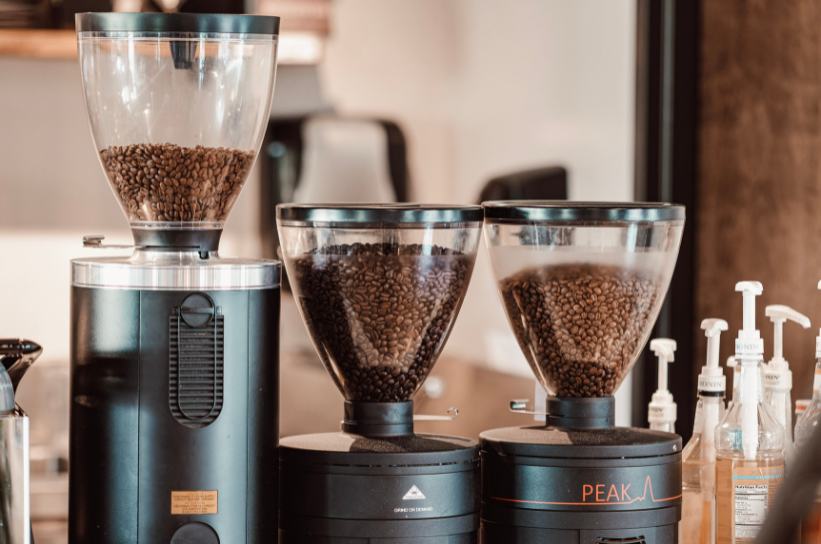
Espresso uses pressure to produce a concentrated beverage with a more intense flavor and texture. The roast profile, grind size, water temperature, and extraction time all influence the result.
French press brewing provides a fuller-bodied cup because the metal filter allows more oils and fine particles to remain in the beverage.
For milk-based drinks, such as cappuccinos and lattes, a coffee with sufficient sweetness and body can help maintain its character when combined with milk.
Freshly roasted coffee also requires appropriate storage. Airtight containers kept away from direct sunlight, heat, and moisture help protect the beans from premature deterioration.
The best approach is to experiment with brewing variables while keeping the coffee itself consistent. This makes it easier to understand how changes in grind size, water temperature, or extraction time affect the final flavor.
6. Discovering the Bali Coffee Roasting Culture
Bali’s coffee scene brings together traditional agriculture, modern roasting techniques, and a growing interest in specialty coffee. Visitors can experience this culture through local cafés, coffee farms, and independent roasting businesses.
For those interested in exploring the craft more closely, visiting a Roastery Bali offers an opportunity to learn how green beans are evaluated, roasted, and prepared for brewing.
A roasting experience can reveal the differences between coffee origins, explain how roast profiles are developed, and demonstrate why freshness matters.
It also provides an opportunity to appreciate the people behind the product. Coffee farmers, processors, roasters, and baristas all contribute to the quality of the final beverage.
Royal Hindia is part of this wider coffee culture, bringing attention to the craft of roasting and the distinctive character of Bali coffee. Exploring the work of a local roastery can help coffee enthusiasts develop a deeper understanding of how the island’s coffee traditions connect with contemporary specialty coffee.
For visitors and residents alike, discovering local coffee is an enjoyable way to experience another side of Bali.
Conclusion
Bali Coffee Roasting is a combination of science, experience, and craftsmanship. From selecting green beans to controlling heat and choosing the right roast level, every stage influences the aroma, flavor, and quality of the final cup.
The island’s diverse coffee-growing regions provide an exciting foundation for this craft, while modern roasting techniques allow producers to explore different flavor profiles and brewing possibilities.
Understanding the roasting process helps coffee enthusiasts appreciate why each coffee tastes different and how careful decisions can improve the drinking experience.
Whether enjoying a delicate pour-over, a balanced espresso, or a rich milk-based beverage, the journey from green beans to roasted coffee remains an essential part of Bali’s evolving coffee culture.
For anyone interested in specialty coffee, exploring a Roastery Bali is a rewarding way to discover the craftsmanship behind every cup and develop a greater appreciation for the island’s coffee heritage.